
In today's competitive real estate market, first impressions are made online, long before a potential buyer ever steps through the door. A property's true potential can be easily obscured by personal clutter, dated decor, or the cold, uninviting nature of empty rooms. This is where strategic home staging becomes a listing agent's most critical marketing asset, transforming a property from just another listing into a compelling, must-see home.
This guide moves beyond simple tidying up. We are diving deep into a series of powerful case studies that vividly illustrate the impact of staging a home before and after its transformation. Each example will break down the specific tactics used, from AI-powered virtual decluttering and furniture placement to complete digital renovations of kitchens and baths.
You will see precisely how these carefully planned changes attract more qualified buyers and deliver measurable results. We will analyze the data-driven impact on key metrics like online engagement, days on market, and final sale price. This article provides the actionable strategies and replicable methods you need to turn overlooked listings into highly desirable properties that sell faster and for more.
1. Decluttering and Minimalist Staging
The first, and arguably most crucial, step in any successful home staging project is decluttering. This strategy involves removing personal items, excess furniture, and general clutter to create a clean, minimalist canvas. The goal is to depersonalize the space, allowing potential buyers to more easily envision themselves and their belongings in the home, a key aspect of staging a home before and after. By paring down to the essentials, you enhance the property's best features, increase the perceived square footage, and create a universally appealing environment that looks fantastic in photos.

Strategic Breakdown
This approach is highly effective for lived-in properties, such as suburban family homes filled with toys or homes owned by downsizers with accumulated belongings. To begin with a clean slate for minimalist staging, a comprehensive homeowner's guide to junk removal can streamline the decluttering process. The transformation from a cluttered space to a neutral, spacious one is often the most dramatic and impactful change you can make.
Actionable Takeaways for Agents
- Visualize First: Use AI-powered decluttering tools to show clients a "before and after" vision of their space without the clutter. This visualization can be a powerful motivator.
- Focus on High-Impact Zones: Prioritize decluttering entryways, living rooms, and kitchens, as these areas make the strongest first impression in photos and virtual tours.
- Highlight Storage: After clearing out closets and storage areas, photograph them to showcase the home's ample storage capacity, a major selling point for buyers.
- Document Everything: Take high-quality "before" photos to use in marketing materials, demonstrating the property's true potential and the value of professional preparation. You can learn more about how to showcase these transformations in our guide to staging before and after marketing.
2. Virtual Furniture Placement and Room Redesign
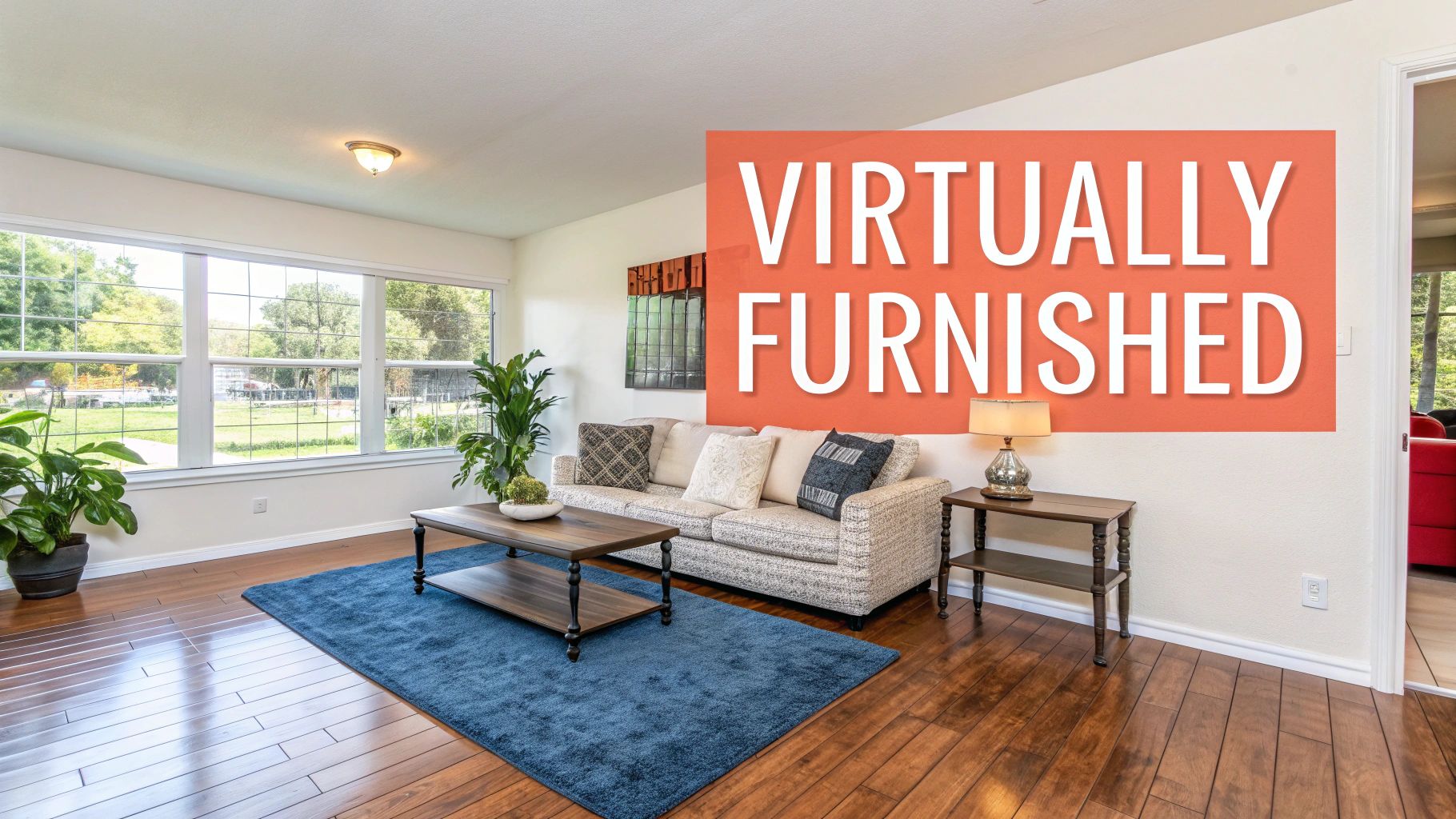
Virtual staging offers a powerful, cost-effective alternative to physical staging, allowing agents to digitally add, remove, or reposition furniture and décor. This technology transforms empty or poorly furnished rooms into stylish, inviting spaces without lifting a single box. It's an indispensable tool for illustrating a property's potential, helping buyers overcome the challenge of visualizing an empty space. This digital approach to staging a home before and after is particularly effective for vacant properties, new constructions, or homes with awkward layouts, making them market-ready in hours, not days.
Strategic Breakdown
This method is ideal for listings that need a quick, affordable, and flexible staging solution. Think vacant luxury condos that require a high-end presentation or foreclosed properties needing a rapid marketing launch. Virtual staging allows for customization to target specific buyer demographics, showcasing a room as a home office, a nursery, or a fitness area with just a few clicks. The transformation from an empty shell to a fully realized home is compelling and drives significant online engagement.
Actionable Takeaways for Agents
- Offer Design Variations: Use AI-powered tools to create three to five different design styles for key rooms. This allows you to target different buyer profiles, from minimalist modern to cozy traditional.
- Showcase Versatility: For awkwardly shaped rooms, use virtual furniture placement to demonstrate functional layouts that buyers might not consider on their own, highlighting the space's hidden potential.
- Disclose Clearly: Always include a "Virtually Staged" disclaimer on all marketing materials to maintain transparency and manage buyer expectations during in-person tours.
- Compare Side-by-Side: Create compelling marketing graphics that show the "before" (empty) and "after" (staged) photos next to each other to emphasize the dramatic transformation. For a deeper dive into the tools that make this possible, explore our guide to the best virtual staging software.
3. Color Transformation and Paint Staging
A fresh coat of paint is one of the most cost-effective ways to transform a home, but physical painting isn't always feasible. Color transformation and paint staging digitally apply new paint colors to walls, cabinets, and exteriors, offering a powerful "what if" scenario for potential buyers. This technique is invaluable for properties with dated or overly personalized color schemes, such as bold accent walls or dark interiors, that might deter buyers. By showcasing a neutral palette, you can dramatically improve a property's appeal in photos and help buyers see its true potential.
Strategic Breakdown
This strategy is particularly effective for homes with strong, taste-specific colors like a bright orange living room or a kitchen with dated green cabinets. Instead of spending time and money on repainting, virtual paint staging provides an instant facelift. This method respects the current owner's home while illustrating how a simple change can align the space with modern trends, making the staging a home before and after comparison incredibly compelling. It highlights the property's good bones without the distraction of polarizing colors.
Actionable Takeaways for Agents
- Offer a Neutral Vision: For listings with bold colors, present a digitally staged version with a popular neutral like Agreeable Gray or Swiss Coffee to show buyers the home's versatility.
- Create Comparison Slides: Use a side-by-side "before and after" format in your listing photos and on social media to showcase the dramatic impact of a new paint color.
- Test Trending Hues: Experiment with on-trend colors, like soft greens or warm whites, to appeal to design-savvy buyers and make the property feel current and stylish.
- Highlight Key Rooms: Focus your paint staging efforts on high-impact areas such as the living room, master bedroom, and kitchen to make the most significant impression. You can discover more about maximizing visual appeal in our guide to marketing staged homes.
4. Kitchen and Bath Modernization Staging
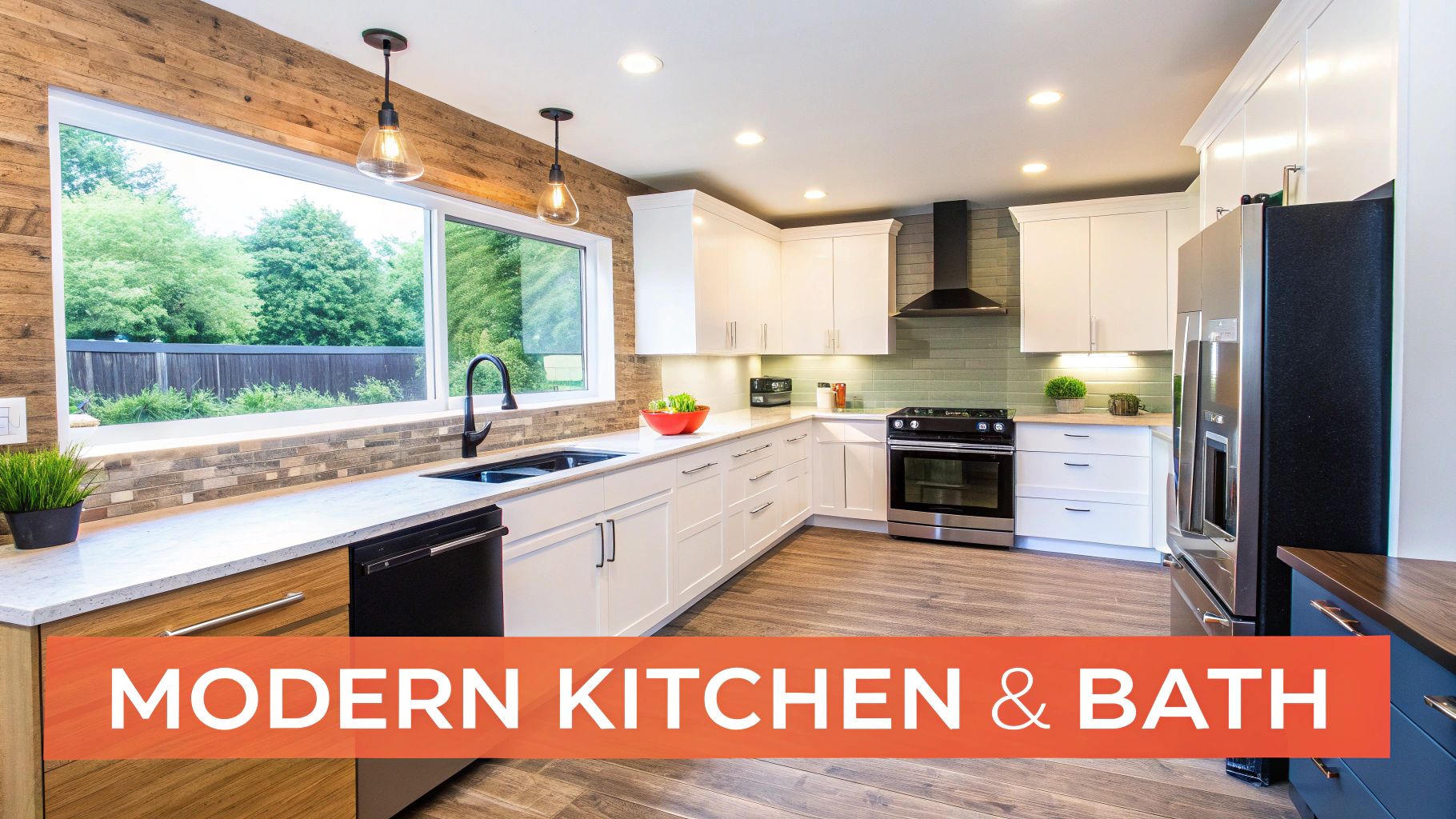
Kitchen and bath modernization involves digitally updating outdated spaces with contemporary fixtures, countertops, and finishes while keeping the original structure. This approach is highly effective because kitchens and bathrooms are critical decision-making areas for buyers. Virtual staging that shows a home's renovation potential addresses buyer hesitation about dated properties, providing a clear vision of what's possible without the upfront cost of physical remodeling. This technique is a cornerstone of successfully staging a home before and after, transforming a liability into a key selling point.
Strategic Breakdown
This method is perfect for properties with "good bones" but dated aesthetics, such as homes with 1980s wood cabinets or bathrooms with pink tile. Instead of a costly physical renovation, virtual modernization showcases the home's potential value. By presenting a modern, stylish vision of these key rooms, you help buyers overcome mental hurdles and see the property's future, not just its past. This allows you to market the home to a broader audience that might otherwise be deterred by the prospect of immediate, expensive updates.
Actionable Takeaways for Agents
- Prioritize Impact Areas: Focus virtual modernization efforts on the kitchen and master bathroom, as these spaces offer the highest return on investment in buyer interest.
- Match the Style: Ensure the virtually staged design (e.g., modern farmhouse, mid-century contemporary) aligns with the home's architecture and the neighborhood's character for a cohesive look.
- Showcase Multiple Options: Use AI tools to generate several design options for a single kitchen or bath. This allows you to test buyer responses and appeal to different tastes in your marketing.
- Highlight Renovation Potential: Explicitly mention the "renovation potential" in listing descriptions and agent talking points, using the virtually staged images to substantiate the claim and demonstrate value.
5. Outdoor Space and Curb Appeal Enhancement
The first impression of a property is formed long before a buyer steps inside, making curb appeal a pivotal element in real estate marketing. This staging strategy focuses on enhancing exterior elements, including landscaping, paint, entryway styling, and outdoor furniture. By digitally or physically upgrading these features, you transform a home's initial presentation from overlooked to unforgettable. Improving curb appeal is a powerful part of staging a home before and after, as it sets a positive tone for the entire viewing experience and significantly boosts perceived value.
Strategic Breakdown
This approach is essential for any property, but it's particularly transformative for homes with overgrown yards, faded exterior paint, or unwelcoming entryways. Virtual curb appeal enhancements can digitally add lush landscaping, update a front door color, and even stage a porch with attractive furniture without the cost and time of physical labor. This is especially crucial for video tours and online listings where the exterior is the first thing buyers see. To see how these changes come to life, you can discover how comprehensive exterior makeovers dramatically improve a home's market appeal and create a stunning 'before and after' effect.
Actionable Takeaways for Agents
- Virtual Landscaping: Use AI tools to add seasonal flowers, green up a patchy lawn, or add mature trees to a barren yard. This shows buyers the property's full potential throughout the year.
- Twilight Transformation: For homes that look plain in daylight, create virtual twilight shots. Adding dramatic lighting highlights architectural features and creates a warm, inviting atmosphere.
- Entryway Focus: The front door is a focal point. Digitally paint it a bold, welcoming color and add virtual planters or updated house numbers to create a modern, stylish entrance.
- Prioritize the Path: Use editing software to clean up driveways, remove weeds from walkways, and repair cracked pavement in photos. This signals to buyers that the home is well-maintained.
6. Lighting and Ambiance Staging
Proper lighting can make or break a property's appeal, but not every home is blessed with abundant natural light. Lighting and ambiance staging digitally enhances illumination in listing photos, transforming dim, uninviting rooms into bright, welcoming spaces. This technique addresses one of the most common issues in real estate photography by simulating ideal lighting conditions, regardless of the weather or the home's orientation. The result is a powerful "staging a home before and after" transformation that captures buyer attention online and showcases the property's true potential.
Strategic Breakdown
This strategy is indispensable for properties with inherent lighting challenges. Think north-facing homes that receive little direct sun, interior rooms lacking windows, or basements that feel cave-like. It's also a crucial tool for photo shoots conducted on overcast days or during winter months when natural light is weak. By digitally brightening dark corners and adding a warm, ambient glow, you can correct for poor conditions and create a portfolio of consistently bright, high-quality images that stand out on the MLS. This digital fix ensures a property’s first impression is luminous and appealing.
Actionable Takeaways for Agents
- Simulate the Golden Hour: Use digital tools to apply a warm, golden-hour-like glow to key photos, creating an inviting and emotionally resonant atmosphere that appeals to buyers.
- Create Lighting Variations: Generate multiple versions of an image, such as one with bright, morning light and another with cozy, evening ambiance, to showcase the home's versatility.
- Focus on Problem Rooms: Prioritize lighting enhancements for notoriously dark areas like basements, hallways, and kitchens with dark cabinetry to reveal their hidden potential.
- Advise on Physical Fixes: Use the enhanced "after" photos to show sellers the impact of better lighting, encouraging them to make simple, real-world upgrades like brighter bulbs or adding lamps for in-person showings.
7. Room Repurposing and Flexible Space Staging
Today's buyers seek homes that can adapt to their evolving lifestyles, making flexible space staging a powerful strategy. This approach involves showcasing alternative uses for rooms to appeal to a wider range of needs, such as converting a spare bedroom into a home gym or a formal dining room into a modern home office. By digitally or physically staging a single space for multiple purposes, you help buyers overcome a lack of imagination and see how a property can perfectly fit their specific lifestyle. This is a critical component of a successful "staging a home before and after" campaign, as it demonstrates versatility and adds perceived value to the property.
Strategic Breakdown
This method is particularly effective for homes with bonus rooms, dens, or unconventional layouts that may confuse buyers. Instead of leaving a space's purpose ambiguous, you define its potential. Showcasing how a basement can transform into an entertainment hub or how a garage has the potential to become an Accessory Dwelling Unit (ADU) can dramatically broaden a property's appeal. This staging technique speaks directly to post-pandemic trends, where demand for dedicated home offices, gyms, and multi-functional living areas has soared.
Actionable Takeaways for Agents
- Generate Multiple Scenarios: For a single flexible space, use virtual staging to create 3-5 different lifestyle vignettes, like a nursery, fitness studio, and craft room.
- Target Demographics: Research your target buyer and stage flexible spaces to match their likely needs. For a home in a young, professional neighborhood, a sleek home office setup is a must.
- Showcase Potential: Highlight dimensions, ceiling height, and natural light in listing descriptions for each staged use-case to prove the space's functional viability.
- Visualize ADU Conversions: For properties with large garages or lots, create a virtual rendering of a potential ADU to showcase an income-generating or multi-generational living opportunity. Explore how to market these unique features in our guide to real estate marketing strategies.
8. Floor Plan and Open-Concept Visualization Staging
For older homes with compartmentalized layouts, one of the most powerful tools in staging a home before and after is virtual open-concept visualization. This technique digitally removes non-structural walls to showcase a property's potential for a modern, open-plan living space. It allows buyers to see past an outdated floor plan and envision a bright, airy, and functional home without the immediate cost or commitment of actual renovations, dramatically increasing a property's appeal to today's buyers.
Strategic Breakdown
This strategy is exceptionally effective for properties built in the 1970s or 80s, which often feature closed-off galley kitchens or separate formal living and dining rooms. By digitally transforming these choppy spaces into a unified, flowing area, you address a major objection for buyers who prioritize open, connected living environments. The "before and after" effect demonstrates how removing a single wall can unlock light, improve traffic flow, and create a central hub for family life and entertaining, boosting perceived value significantly. You can explore this concept further in our guide to the power of a rendered floor plan.
Actionable Takeaways for Agents
- Confirm Feasibility First: Before creating any visualizations, consult with a contractor to confirm which walls are non-load-bearing. This ensures your marketing is both inspiring and realistic.
- Show the Flow: Create "before" and "after" floor plan graphics to display alongside the staged images. This visual aid helps buyers understand the spatial transformation clearly.
- Stage for Modern Living: In the virtual open-concept rendering, stage the space with modern furniture arrangements, such as a large kitchen island with seating or a cohesive living and dining area, to highlight its functionality.
- Create a Video Tour: Produce a video that walks through the current layout and then transitions seamlessly into the virtually staged open-concept vision, making the potential transformation feel tangible and exciting.
Before & After: 8 Home Staging Strategies Compared
Your Next Listing's Secret Weapon: AI-Powered Staging
The dramatic transformations we've explored, from cluttered living rooms to revitalized kitchens, all share a common thread: they sell potential, not just property. Each staging a home before and after example proves that successful marketing isn't about showing a house as it is, but as it could be. By strategically decluttering, virtually renovating, and reimagining spaces, you dismantle buyer objections before they can even take root. The goal is to create an irresistible vision that allows prospective buyers to see themselves living their best life within those walls.
These case studies move beyond traditional physical staging, highlighting a pivotal shift in the industry. The power to repaint a room, modernize a bathroom, or furnish an empty space is no longer constrained by physical logistics, budget, or time. Instead, it’s about strategic digital enhancement.
Key Takeaways for Your Next Listing
The core lesson from these examples is that every property has a hidden story waiting to be told. Your role as a savvy agent is to uncover and present that narrative in the most compelling way possible.
- Focus on Transformation, Not Just Decoration: The most impactful staging tells a story of change. Showcasing a clear "before and after" journey creates a powerful emotional connection and demonstrates the property's true value.
- Address Problems Proactively: Use virtual staging to solve common buyer hesitations. An awkward layout becomes a "flexible live/work area," and an outdated kitchen becomes a "future culinary dream space." You are selling the solution, not the problem.
- Leverage Speed and Versatility: Modern tools allow you to create multiple design variations for a single room. This empowers you to target different buyer demographics with tailored aesthetics, from modern minimalist to cozy traditional, without any additional physical effort.
Putting AI Staging into Action
The transition from concept to execution is now seamless. The most significant takeaway is that the sophisticated results seen in these examples are accessible to every agent. You no longer need to coordinate with multiple vendors or invest thousands in physical furniture rentals.
With AI-powered platforms, a simple video walkthrough of a property is all that’s required to generate a complete portfolio of marketing assets. This includes everything from virtual decluttering and restyling to full-scale digital renovations. By embracing this technology, you equip yourself with the ability to craft a powerful staging a home before and after narrative for every listing. This strategic advantage ensures your properties capture immediate attention, generate higher engagement, and ultimately, attract stronger offers in a shorter amount of time. The future of listing marketing is here, and it's powered by intelligent, efficient, and visually stunning digital tools.
Ready to create your own stunning before-and-after transformations in minutes? Discover how Bounti Labs uses AI to instantly declutter, restyle, and renovate any space from a single video. Visit Bounti Labs to turn your next listing into an unforgettable showcase.