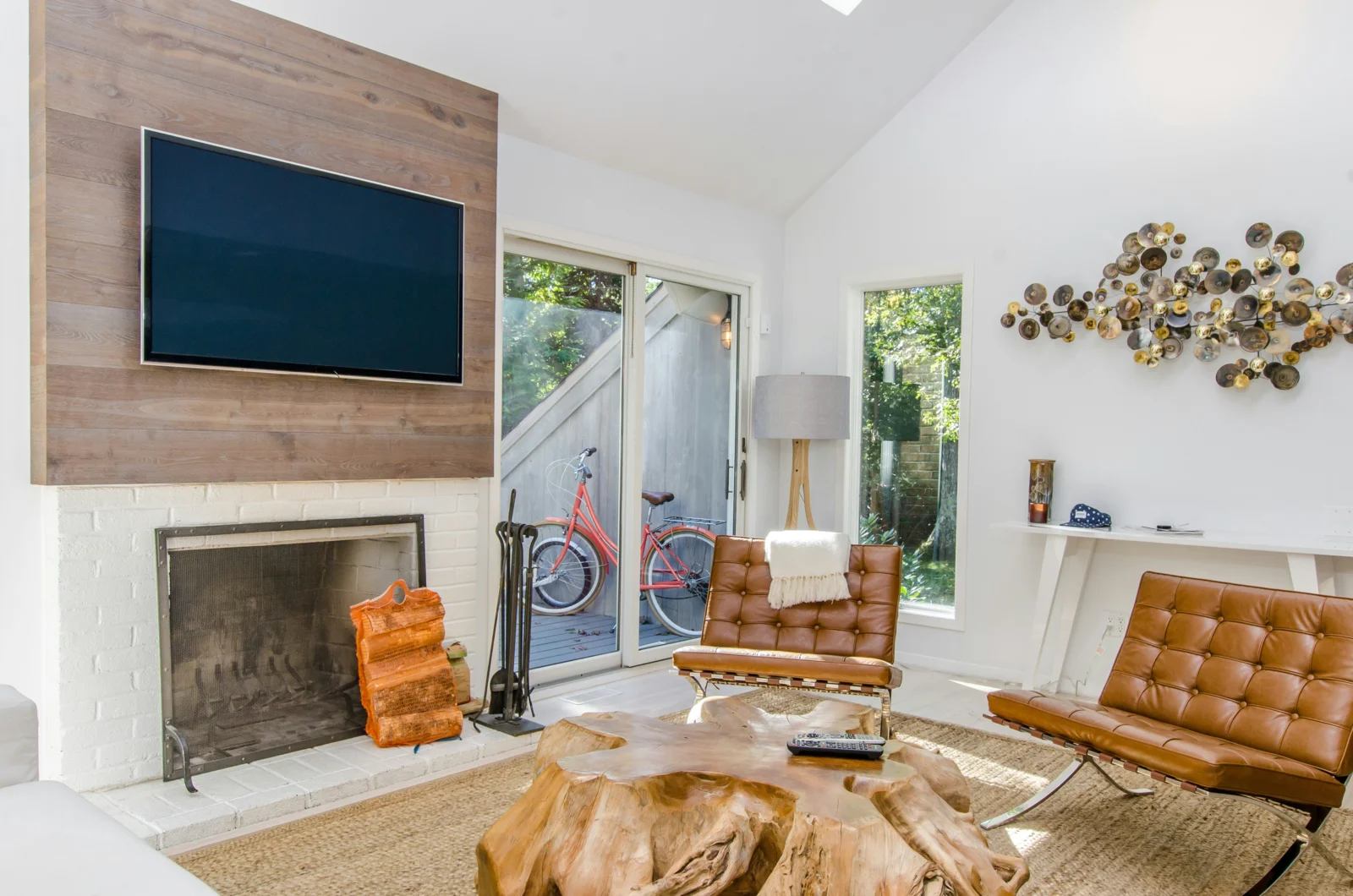
In today's competitive market, a property's first impression is its only impression. For listing agents and broker teams, the difference between a quick, high-value sale and a property languishing on the market often comes down to one critical factor: effective staging. This isn't just about adding a few pillows; it's a strategic marketing tool that transforms a seller's house into a buyer's dream home.
This article dives deep into powerful house staging before and after examples, breaking down the exact tactics used to captivate buyers and accelerate sales. We move beyond simple aesthetics to analyze the 'why' behind each change, from furniture arrangement in an open floor plan to modernizing a dated kitchen. You will receive actionable checklists to replicate these high-impact results for your own listings.
1. Cluttered Living Room to Open Concept Showcase
One of the most dramatic and high-impact examples of house staging before and after is the transformation of a cluttered living room into an airy, open-concept showcase. This strategy focuses on maximizing perceived space, a key driver of buyer interest and valuation. The core principle is strategic subtraction: removing 40-60% of visible items to make a room feel significantly larger and more inviting.
The Strategic Breakdown
The goal isn't just to empty a room; it's to redefine it. By eliminating oversized furniture, personal collections, and visual noise, you allow buyers to envision their own lives in the space. This is critical in urban condos where every square foot counts, and in suburban homes where families seek functional, multi-use living areas.
Perceived square footage often matters more than actual measurements. A well-staged, open room feels more valuable and functional, directly influencing a buyer's offer.
Actionable Takeaways & How-To Checklist
- Define Zones: In an open space, use area rugs and furniture groupings to create distinct functional zones, like a conversation area and a reading nook.
- Neutralize the Palette: Stick to a cohesive palette of whites, grays, or warm beiges. These colors reflect light and create a sense of calm and spaciousness.
- Edit and Reposition: Remove at least one large piece of furniture and several smaller ones. Pull remaining furniture away from the walls to create flow.
- Maximize Light: Open all blinds and curtains. Add mirrors opposite windows to bounce natural light around the room.
2. Dark Kitchen to Bright Modern Culinary Space
A kitchen transformation is one of the most powerful examples of house staging before and after, as this single room can represent up to 20% of a home's perceived value. This strategy focuses on converting a dated, dark kitchen into a bright, modern culinary space without the cost of a full renovation.
The Strategic Breakdown
The goal is to simulate the high-ROI impact of a kitchen remodel through strategic, low-cost updates. By clearing countertops, upgrading small fixtures, and optimizing lighting, you create an environment that feels expensive and move-in ready.
Buyers often overestimate the cost and effort of cosmetic kitchen updates. Staging removes this mental barrier, presenting a finished product that lets them emotionally connect with the home's most important hub.
Actionable Takeaways & How-To Checklist
- Declutter Countertops: Remove everything except two or three high-impact decorative items, such as a bowl of fresh lemons or a stylish knife block.
- Update Hardware: Swap out dated cabinet pulls and knobs for modern hardware in brushed nickel, matte black, or brass.
- Enhance Lighting: Replace old, dim bulbs with bright, warm-white LED lighting. Add under-cabinet lighting if possible.
- Add Life and Color: Introduce a small potted plant, a vase of fresh flowers, or a neatly arranged cookbook.
3. Bedroom Master Suite Transformation
One of the most emotionally resonant examples of house staging before and after is converting a personal, cluttered master bedroom into a serene, hotel-like retreat. The master suite is where buyers project their desire for comfort, peace, and escape.
The Strategic Breakdown
The objective is to shift the room's purpose from a private, functional sleeping area to a luxurious fantasy space. This involves removing personal photos, taste-specific decor, and excess furniture that makes the room feel cramped.
A master bedroom that feels like a high-end hotel suite sells a lifestyle, not just a room. This emotional appeal can be a powerful differentiator that justifies a higher price point.
Actionable Takeaways & How-To Checklist
- Elevate the Bedding: Use high-quality, crisp white or cream linens. Add a few well-chosen accent pillows and a textured throw blanket.
- Curate the Decor: Limit artwork to one or two large, calming pieces. Remove all personal items from nightstands.
- Soften the Light: Use simple, elegant window treatments. Add bedside lamps with soft, warm bulbs.
- Create Space: If large enough, create a small seating area with an accent chair. For smaller rooms, use mirrors strategically.
4. Bathroom Modernization to Spa-Like Oasis
A powerful example of house staging before and after is the conversion of a dated, functional bathroom into a serene, spa-like oasis. This transformation offers one of the highest returns on investment.
The Strategic Breakdown
The objective is to shift the buyer's perception from a purely utilitarian space to an experiential one. A spa-like bathroom suggests a lifestyle of comfort and self-care, adding significant perceived value.
Buyers don't just see a bathroom; they envision their morning routine and a place to unwind. A staged, spa-like environment sells a desirable lifestyle, not just a room with plumbing.
Actionable Takeaways & How-To Checklist
- Implement a Hotel-Style Reset: Remove all personal toiletries, bath mats, and used towels. Counters should be completely clear except for a high-end soap dispenser.
- Layer Luxurious Textiles: Introduce a set of new, fluffy white or light gray towels. Fold them neatly on a rack or roll them in a basket.
- Incorporate Natural Elements: Add a small, humidity-loving plant like an orchid or a eucalyptus sprig in a vase.
- Upgrade Lighting and Mirrors: Ensure the space is brightly and warmly lit. Clean all mirrors until spotless.
5. Exterior and Entry Curb Appeal Enhancement
The most critical house staging before and after transformation happens before a buyer even steps inside. Enhancing a property's exterior and entryway establishes the first impression that shapes the entire viewing experience.
The Strategic Breakdown
The goal is to create a welcoming and well-maintained facade that signals the home's overall quality. This involves everything from landscape touch-ups to entry detailing and lighting improvements.
Curb appeal is your marketing's first promise. A well-staged exterior overcomes buyer hesitation and sets a positive tone for the rest of the tour.
Actionable Takeaways & How-To Checklist
- Clean and Clear: Pressure wash walkways, siding, and driveways. Ensure the path to the front door is completely clear.
- Add a Pop of Color: Paint the front door a striking, welcoming color like a deep navy, classic black, or warm red.
- Incorporate Greenery: Place symmetrical planters with seasonal flowers on either side of the entryway. Fresh mulch instantly revitalizes landscapes.
- Update Fixtures: Ensure house numbers are modern and clearly visible. Update outdoor lighting fixtures.
6. Open Floor Plan Furniture Arrangement and Zone Definition
One of the most challenging yet rewarding examples of house staging before and afteris the artful definition of spaces within an open floor plan. Modern buyers love open-concept homes, but they often struggle to visualize how to live in them.
The Strategic Breakdown
The core principle is creating “invisible walls” that guide a buyer's eye and suggest function. By strategically arranging furniture groupings, you transform a vast, empty space into a series of intimate, functional areas.
In an open floor plan, demonstrating functionality is as crucial as showcasing space. Buyers need to see a clear, logical layout to overcome the paralysis of an empty “great room.”
Actionable Takeaways & How-To Checklist
- Anchor with Area Rugs: Use large area rugs to anchor each functional zone. A rug under the seating area and another under the dining table clearly delineates those spaces.
- “Float” Your Furniture: Pull furniture away from the walls to create conversational groupings. Position a sofa with its back to the dining area to create a psychological divide.
- Prioritize Traffic Flow: Ensure there are clear, wide pathways (at least 3-4 feet) between each zone.
- Use Lower-Profile Pieces: Select sofas, chairs, and tables with lower profiles to maintain visual openness.
- Layer Your Lighting: Use overhead fixtures for dining, floor lamps for living areas, and task lighting in the kitchen.
7. Basement and Lower-Level Space Transformation
One of the most valuable yet overlooked areas in house staging before and after examples is the basement. Transforming a lower level from a cluttered storage dump into a functional, inviting entertainment space can significantly boost a home's perceived square footage and overall appeal.
The Strategic Breakdown
The core challenge in staging a basement is overcoming negative buyer perceptions, such as darkness, dampness, and a utilitarian feel. By converting it into a media room, home gym, or game room, you directly address a buyer's desire for more lifestyle-oriented space.
A well-staged basement transforms from a liability (a dark storage area) into a major asset (a bonus living or entertainment zone), directly increasing the home's marketability and potential offer price.
Actionable Takeaways & How-To Checklist
- Aggressive Decluttering: Remove 80-90% of stored items. A basement must look like a living space, not a storage unit.
- Layer the Lighting: Use bright, warm-toned LED pot lights, add stylish floor lamps, and consider accent lighting.
- Create Functional Zones: Use area rugs to define distinct spaces like a TV viewing area, a small home gym corner, or a game table setup.
- Lighten and Brighten: Paint the walls a light, neutral color. Use mirrors strategically to reflect light and create an illusion of more space.
7 Before-and-After Transformations Comparison
| Transformation | Complexity | Resources | Expected Outcomes |
|---|---|---|---|
| Living Room to Open Concept | Medium | Low–Medium | +30–40% perceived size; 20–30% faster sell |
| Kitchen Brightening | Medium–High | Medium | ~15–20% perceived value boost; high ROI |
| Master Suite Makeover | Low | Low | Improved comfort perception; low-cost uplift |
| Bathroom to Spa Oasis | Low–Medium | Low | Quick transform (1–2 hrs); strong offer impact |
| Curb Appeal Enhancement | Medium | Medium | Boosts listing clicks; improves first impressions |
| Open Floor Plan Zoning | High | Medium–High | Helps buyers visualize multifunctional spaces |
| Basement Transformation | Medium–High | Medium–High | +25–30% perceived value; differentiates listings |
The Future of Staging: Accelerate Your Workflow with AI
The stunning house staging before and after transformations we have explored are more than just cosmetic fixes; they are strategic marketing assets. Each example proves a fundamental real estate truth: presentation drives perception, and perception drives value.
Key Takeaways from Our Staging Deep Dive
The most impactful changes consistently revolved around a few key strategic pillars:
- Declutter and Depersonalize: The non-negotiable foundation. Removing personal items creates a neutral canvas for buyers.
- Maximize Light and Space: Strategic use of light-colored paint, mirrors, and appropriate furniture scale.
- Define Every Zone: In open-concept layouts, creating clear functional zones eliminates buyer confusion.
- Modernize and Neutralize: Updating fixtures and applying neutral color palettes provides significant ROI.
Embracing the Next Evolution in Property Marketing
The logistical challenges of physical staging are well-known: coordinating movers, renting furniture, managing timelines, and incurring significant upfront costs. This is precisely where AI-powered virtual staging emerges as a game-changing tool for the modern agent.
Imagine being able to showcase the “after” version of a property to a seller before they commit to a single physical change. Picture creating multiple design aesthetics for the same room to A/B test in your marketing campaigns, appealing to a broader range of buyer tastes without spending an extra dime.
By leveraging AI, agents can now generate photorealistic staged images, declutter rooms, and even visualize renovations in a matter of seconds. This isn't just about saving time and money; it's about gaining a strategic advantage in a competitive market.